
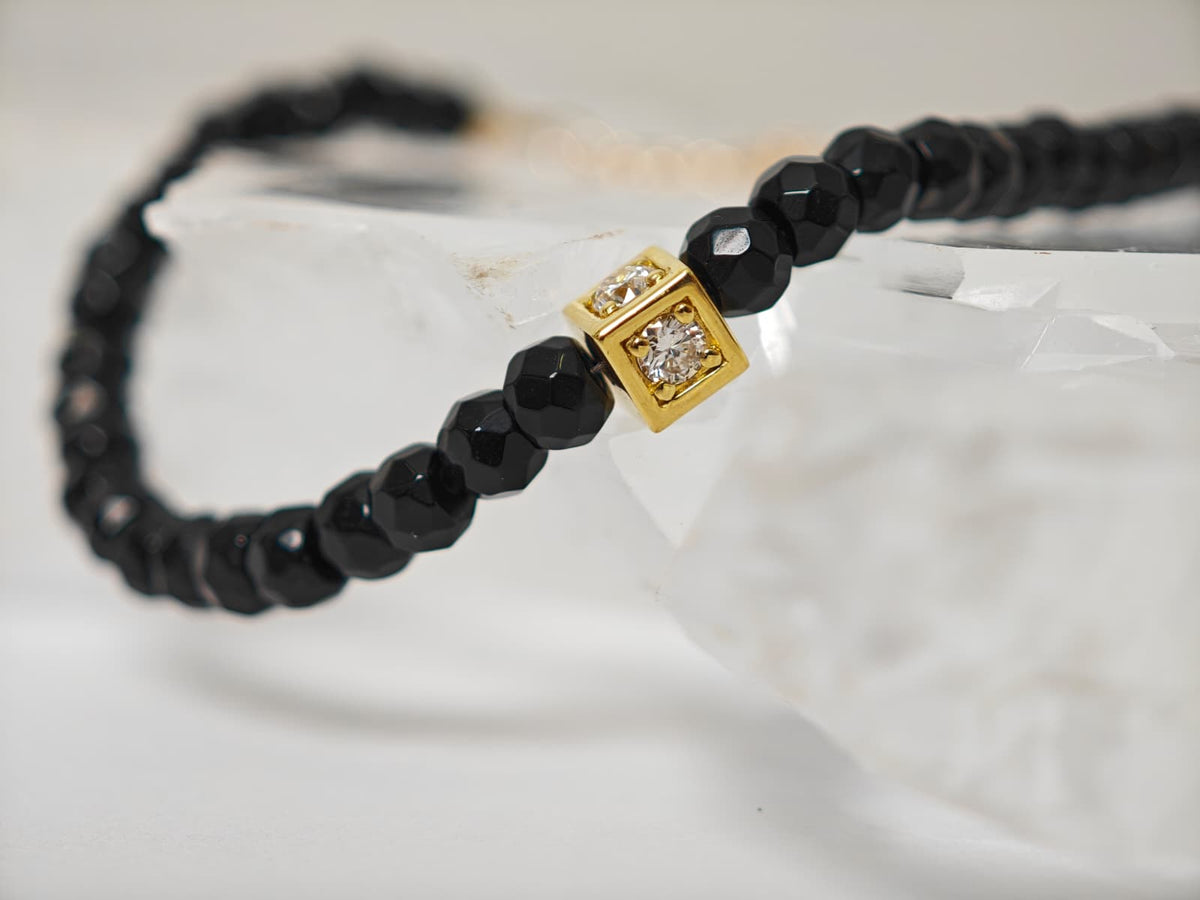
Right now, the Jewish world is living inside its holiest stretch of the year — the Ten Days of Awe between Rosh Hashanah and Yom Kippur, all of it inside the month of Tishrei. Tishrei belongs to one tribe: Ephraim. And Ephraim's stone is one that was set into the High Priest's breastplate not once, but twice.
The Month of Tishrei: Israel's Holiest Season
No other Hebrew month carries the weight Tishrei does. Rosh Hashanah — the Jewish new year, "the birthday of the world" — falls on its first day. Ten days later comes Yom Kippur, the Day of Atonement. Five days after that, Sukkot begins, followed by Shemini Atzeret and Simchat Torah. In a single month, an entire year turns over: judgment, atonement, and celebration, back to back to back.
It makes sense, then, that the tribe assigned to this month is one with its own story of being singled out.
Ephraim: Joseph's Son, and a Blessing That Changed Everything
Ephraim was the younger of Joseph's two sons, born in Egypt. In Genesis 48, a dying Jacob asks to bless Ephraim and his older brother Menashe — and crosses his hands, deliberately placing his right hand on the younger Ephraim's head instead of the firstborn's. When Joseph tries to correct him, Jacob refuses: he knows exactly what he's doing. "His younger brother shall be greater than he," Jacob says, and blesses Ephraim first.
That blessing echoes to this day. It's why, in Jewish homes around the world, parents still bless their sons on Friday nights with the words: "May God make you like Ephraim and Menashe." Not like Reuben, the actual firstborn of Jacob's twelve sons — like Ephraim, the one who was chosen out of order.
Ephraim's zodiac sign is Libra — the scales — a fitting match for a tribe whose entire story is about being weighed and found, against expectation, to be the heavier side.
Onyx: The Stone Set Into the Breastplate Twice
Because Joseph's two sons each count as a full tribe of Israel, they share a single stone: onyx. It's the only stone in the Hoshen that repeats — one set for Ephraim, one for Menashe, brothers in life and neighbors on the High Priest's breastplate.
Onyx has carried meaning across cultures for thousands of years, but the traditions that surround it circle back to the same few ideas again and again: grounding, strength, and self-mastery. Where other stones are prized for brilliance or fire, onyx is prized for steadiness — it's often worn as a stone of quiet discipline, the kind that helps its wearer hold their center under pressure. For a tribe whose founding story is about a scale tipping in an unexpected direction, a grounding stone is exactly right.
Why Onyx Jewelry Makes Sense Right Now
The Days of Awe are traditionally a season of self-reckoning — a time for taking stock, steadying yourself, and starting over with clear intention before Yom Kippur closes the book on the old year. A piece of onyx, worn through this exact stretch of the calendar, carries that same idea on the body: solid, grounded, unhurried. It's a meaningful gift for the new year, or a quiet way to mark the season for yourself.
Four Reasons Every Stone Becomes Yours
- 💎 18 Karat Solid Gold — never plated, never filled
- 🔹 Natural Diamonds & Gemstones — no simulants, no lab-grown substitutes
- 🕎 Your Exact Tribe — not a generic month on a chart
- ♾️ Made to Be Handed Down — a piece with a three-thousand-year story behind it
Everything You Want to Know
Is Tishrei always in September? No — because the Hebrew calendar is lunar, Tishrei drifts against the Gregorian calendar each year. In 5787, it runs from sundown September 11 through nightfall October 11, 2026.
Why does onyx belong to two tribes? Ephraim and Menashe were both sons of Joseph, but Jacob counted each of them as a full tribe of Israel in his own blessing — so between them, they share one stone rather than each needing a separate one.
Was Ephraim really younger than Menashe? Yes. Menashe was Joseph's firstborn. Jacob's decision to bless Ephraim first, ahead of birth order, is the entire point of the story in Genesis 48 — and the reason his name is still invoked in Jewish blessings today.
What does onyx symbolize? Across centuries of tradition, onyx has been associated with grounding, strength, self-discipline, and protection — a stone connected to steadiness rather than sparkle.
Wear the Stone of Tishrei
18 karat solid gold. Natural diamonds. Genuine gemstones. A blessing three thousand years in the making. Fine jewelry with a soul.
Find Your Stone Shop The Collectionשְׂשׂוֹן וְשִׂמְחָה יִמָּצֵא בָהּ — "Joy and gladness shall be found therein" (Isaiah 51:3)
by Sharon Oz
Share:
Hanukkah Gift Guide 2026: Meaningful Jewelry for Every Night
Personalized Jewelry, Done the Ancient Way: Your Tribe, Your Stone